

The hallmark of Italian cooking is its simplicity, but that simple fare is rich with character thanks to the regional variations. Italian regional foods are dictated by regional ingredients, traditions, climate, and history, so that many dishes in Italy can be drastically different when you cross provincial borders.
From northern risottos to southern pastas, traditional Italian cooking highlights just how much cooking is deeply tied to culture and the environment that a culture lives in.
Italian regional foods are best explained with regard to Italy as a set of separate culinary regions. Mountains, coastline, plains, climate, or a combination of the three create the specific conditions.
Ingredients for Northern Italian cooking are primarily butter, rice, polenta, cheese, and freshwater fish. The cooler climate and Alpine landscape in this region helped contribute to its more substantial meals, which depart from many of the more tomato-centric preparations most people envision for Italian cooking.
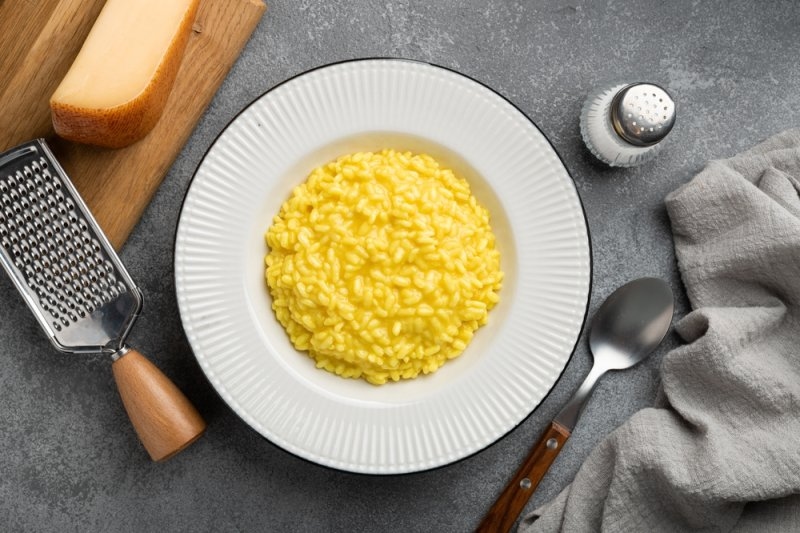
Some popular Italian regional food choices for Northern Italy include risotto alla Milanese from Lombardy, and from regions farther north, polenta-based meals like polenta concia. Northern Italian cooking traditionally employs much more butter and cheese than any other region of Italy, showing why regional Italian food cannot be universally generalized.
Central Italy includes regions like Tuscany, Umbria, and Lazio, in addition to many of the smaller states surrounding these regions. The cooking style here is largely simple, filling, and straightforward, with a focus on bread, beans, olive oil, vegetables, pasta, and meat.
Tuscan ribollita, Roman carbonara, and pasta all 'amatriciana are all well-known Italian regional food choices. These Italian recipes illustrate the simplicity and ingredient focus of a strong culinary region.
Southern Italy is one of the more recognizable Italian regions of Italian regional food. Olive oil, tomatoes, garlic, eggplant, peppers, and seafood are utilized heavily throughout this region.
Italian regional foods commonly enjoyed in Southern Italy include pasta alla Norma from Sicily and orecchiette with vegetables from Puglia. These demonstrate just how vibrant and fresh the traditionally Italian foods from the south can be while still depending on extremely uncomplicated techniques.
It is perhaps inappropriate to discuss the food regions in Italy individually without dedicating some space to Sicily. Its unique food identity developed by combining the ingredients and cooking techniques of many cultures that populated the island throughout history. This included Greece, Arab, Spanish, and many other countries in the Levant and Mediterranean.
Sicilian traditional Italian food includes rice dishes like arancini, the eggplant dish caponata, and pasta alla Norma, as well as many seafood dishes. Sicilian food helps explain why the food regions of Italy are so complex and why the history of a culinary region is intrinsically tied to it.
Emilia-Romagna is one of the most acclaimed food regions in Italy. It is a region famous for handmade pasta, stuffed pasta, cured meats, and Parmigiano Reggiano.
Popular regional Italian dishes from Emilia-Romagna include tagliatelle al ragù and tortellini. Traditional Italian cuisine from this region tends to be richer and more filling than that of other regions, and utilizes simple ingredients which are painstakingly prepared.
Liguria is a region that is bordered by the northwest coastline and boasts numerous seafood, vegetable, and herb ingredients. The most famous Italian regional food from this region, pesto alla Genovese, is traditionally comprised of basil, pine nuts, garlic, Italian cheese, and olive oil.
This is an excellent example of the way Italian regional foods are inherently shaped by readily available regional ingredients. Ligurian traditional Italian cuisine is often comprised of seafood dishes accompanied by any variety of fresh vegetables available locally or in the Mediterranean.
Authentic Italian food dishes are rarely reliant on elaborate or expensive ingredients. Many Italian recipes traditionally have the simplest set of ingredients and the most complex preparation.
These regional foods are often prepared for a reason. A seafood dish in a Coastal town may contain only fish caught nearby. A mountain dish in the Alpine region may only contain potatoes and cured meat. Understanding these fundamentals helps appreciate traditional Italian cooking, as it is more than just a set of simple, ingredient-dependent recipes.
The vast difference in food in the various regions of Italy is largely a result of the numerous different kingdoms, tribes, and peoples that have inhabited the Italian Peninsula. In conjunction with migrations, trade, and conquest, these disparate groups of people and their individual histories have given Italy its diverse tradition of preparing and cooking its native ingredients.
For example, Italian regional food from Northern Italy, unlike Southern Italy and other parts of the world that adhere to the tomato-centric paradigm, relies more on butter and dairy than on tomatoes. Conversely, Italian regions in the south are a reflection of a very agricultural lifestyle, which places significant value on olive oil, grains, and produce.
For anyone who considers themselves a food lover, one of the best ways to understand the food regions in Italy is to look to the particular region's contribution to Italian food rather than viewing Italian cooking as a cohesive entity.
By utilizing these methods for the exploration of the food regions in Italy, one will begin to understand just how a particular Italian regional food dish came to be.
Regional Italian dishes are often much more than simply pasta, pizza, etc. Each region in Italy has its unique ingredients, culinary skills, traditions, and history that result in quite diverse foods, ranging from Italian regional food prepared in the northern parts of Italy, such as rice dishes and fresh pastas, to more southern-style traditional Italian foods, such as vegetable-centered and fish-focused traditional Italian dishes.
Local produce, climate, history, and cultural cooking methods give Italian food its regional varieties. People developed specific cooking techniques using nearby food, so regions' dishes are wildly different from the north to the center and south.
Some have cited Emilia-Romagna as having outstanding food, thanks to its fresh pasta, stuffed pasta, dried meats, and excellent cheeses. Every Italian region has amazing traditional dishes for healthy, traditional Italian food.
Many genuine Italian dishes rely on just a few great ingredients, so they seem basic in style. This doesn't imply that food tastes in a basic way, as technique, freshness, and tradition can make a plain dish sensational.
Over the centuries, separate culinary regions appeared around Italy for a variety of reasons that are the results of geography, agriculture, transit, movement of peoples, and history all acting to promote particular types of agriculture, cooking techniques, products, and eventually, unique regional styles.
Just pick one region from northern Italy, southern Italy, or central Italy, and then begin to eat that region's specific fare. Do your research and learn a region's native products; then find restaurants near you specializing in that particular region's dishes.
This content was created by AI